Kratom in Your Pre-Op? The Hidden Opioid Risk You're Missing

Mar 12 / Michael Storm, DNAP, CRNA
Storm Anesthesia Insights - High-yield clinical and board prep insights for SRNAs and anesthesia professionals.
This week: hidden perioperative risks from unregulated botanicals, the AI governance protocols your hospital needs, and why your social media presence could tank your ranking.

In This Issue
  • The 5 non-negotiable AI safety protocols hospitals must adopt before deployment
  • Kratom's opioid receptor activity and what it means for your pre-op assessment
  • How 'medinfluencer' status is becoming a near-DNR offense for residency candidates
  • RFK Jr. controversy exposes fault lines in institutional credibility
  • Why PGY-5 residents still get the Sunday scaries
  • Master core anesthesia concepts with our high-yield eBooks
Clinical Pearls & Board Prep
⭐ 5 AI Safety Protocols Hospitals Must Lock Down Before Going Live
5 AI Safety Protocols Hospitals Must Lock Down Before Going Live
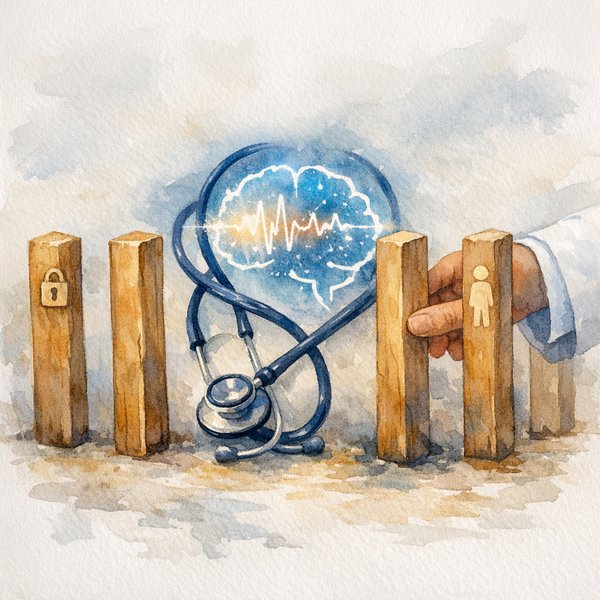
Large language models offer real potential to reduce administrative burden, but hospitals deploying them without rigorous governance risk privacy breaches and clinical misinformation. A new framework outlines five non-negotiable protocols before any AI system touches patient care. Hospitals must establish safety guardrails before deploying AI [PODCAST]
Clinical Significance
  • HIPAA-compliant encryption must cover data at rest and in transit; no shortcuts via personal devices
  • Human-in-the-loop oversight requires a qualified specialist in the relevant clinical domain, not just any clinician
  • Mandatory sandbox testing must identify hallucinations and model drift before live deployment
⭐ Kratom: The Perioperative Risk Hiding in Plain Sight
Kratom: The Perioperative Risk Hiding in Plain Sight
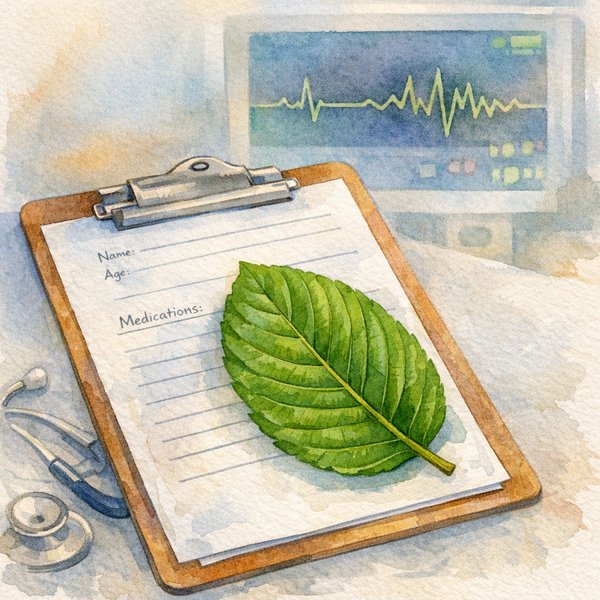
Botanical supplements marketed as energy shots and wellness aids often contain kratom (mitragynine) or its potent derivative 7-hydroxymitragynine. These compounds bind opioid receptors, creating dependence and unpredictable drug interactions that rarely appear on medication lists. Unregulated botanical products pose hidden risks in convenience stores [PODCAST]
Clinical Significance
  • Only 19% of Americans recognize kratom; 30-40% of patients use unregulated botanicals missing from formal records
  • Kratom's mu-opioid receptor agonism can cause cross-tolerance with perioperative opioids and complicate MAC requirements
  • Patients often trust convenience store clerks over clinicians for supplement advice; direct screening is essential
High-Yield Takeaway: Ask patients specifically about energy shots, powders, and 'wellness' supplements during pre-anesthesia assessment.
Clinical/Study Action: Add kratom and mitragynine to your standard pre-op screening questions this week.
⭐ Your Social Media Could Get You a 'Do Not Rank'
Your Social Media Could Get You a 'Do Not Rank'
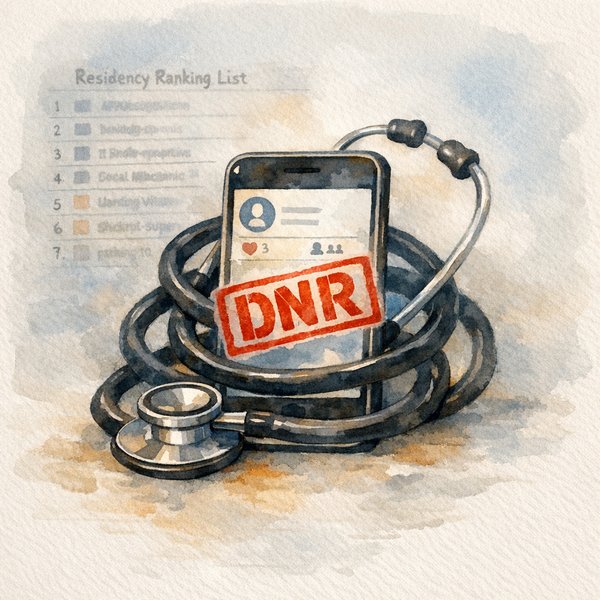
Residency ranking committees are scrutinizing applicants' online presence, with some programs treating active 'medinfluencer' status as a near-automatic disqualifier. The concern: students lack the clinical nuance and professional maturity to navigate patient privacy and public authority. Hot Take: Schools Should Have Rules Against Medinfluencing During Medical School
Clinical Significance
  • Rank committees report 'zero interest' in applicants with monetized medical social media accounts
  • Clinical sites are implementing rules against social media monetization during training periods
  • Professional liability concerns outweigh any perceived benefit from personal branding early in training
Clinical/Study Action: Audit your social media accounts for professionalism compliance before your next clinical rotation or application cycle.
🌶️ The Hot Seat: When Medical Schools Align with Anti-Vaccine Figures
LECOM, the nation's largest medical school, drew professional backlash after a public appearance with RFK Jr. The post was deleted, but the controversy raised questions about institutional credibility.
  • Critics argue scientific institutions undermine their authority by platforming figures who challenge evidence-based medicine
  • Supporters framed it as engagement with diverse health perspectives
  • The school's rapid deletion signals awareness of reputational risk but not resolution
The Bottom Line: Professional institutions risk their scientific credibility when they align with figures who promote medical misinformation.
LECOM Openly Supports RFK Jr. and MAHA • 631 upvotes, 110 comments
Rapid Sequence Updates
PGY-5 and Still Anxious Before Monday
Senior residents report acute anxiety returning to high-intensity rotations after time off, confirming that clinical confidence is dynamic, not permanent.
AI Tools Targeting Prior Auth Friction
Emerging tools like Claude for Healthcare aim to automate prior authorization justifications, potentially recovering hours of clinical time weekly.
How Long They Waited Tells You Something
The duration a patient delays seeking care is a clinical clue about their relationship with the healthcare system and potential condition severity.
Snow Policies and 'Essential' Hypocrisy
Mandatory attendance snow policies expose a disconnect between hospital admin expectations and the physical safety of clinical staff.
Medicine as Job, Not Identity
Viewing clinical practice as a skilled profession rather than a totalizing identity may protect against long-term burnout in residency.
Close the Gaps Fueling Your Anxiety
After reading about PGY-5s still getting the Sunday scaries, here's a concrete way to shore up your clinical foundation between rotations.
  • High-yield review of core anesthesia topics in mobile-ready format
  • Quick reference for key concepts between OR cases
  • Aligned with NBCRNA board standards
Get Your eBooks