Medicare Targets Non-Opioid Pain Blocks: CRNAs Take Note

Mar 24 / Michael Storm, DNAP, CRNA

Storm Anesthesia Insights - High-yield anesthesia updates for SRNAs and practicing CRNAs.
This week: Medicare threatens regional anesthesia reimbursement, the DOSE trial clarifies loop diuretic dosing for heart failure, and the 2026 residency Name & Shame thread exposes program red flags.

In This Issue
  • ASA and Congress push back on Medicare cuts to peripheral nerve blocks
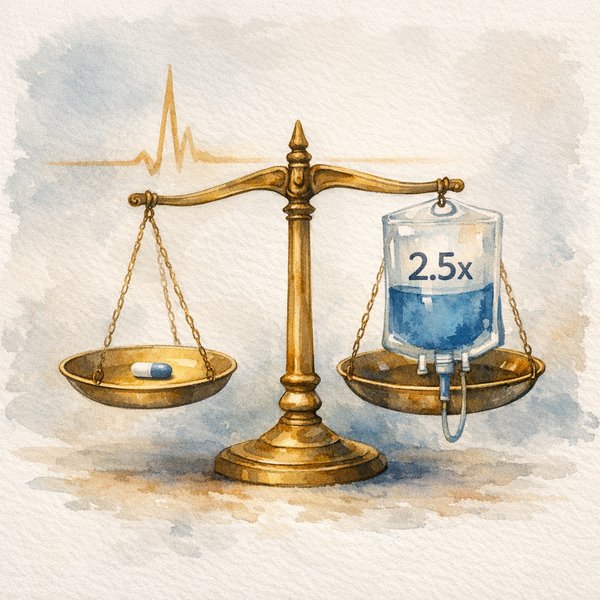
  • DOSE trial takeaways: the 2.5x diuretic rule for acute heart failure
  • 2026 residency Name & Shame reveals professionalism concerns
  • ICU nurses debate clinical autonomy versus protocol compliance
  • Board-prep resources to streamline your NCE and SEE review

Clinical Pearls & Board Prep
Lawmakers Push Back on Medicare Nerve Block Cuts
The ASA and 25 bipartisan lawmakers urged CMS to withdraw proposed policies ending Medicare coverage for peripheral nerve blocks in chronic pain management. Five regional Medicare contractors introduced the changes, which advocates warn could push beneficiaries back toward opioid-heavy treatments. Anesthesia group, lawmakers oppose Medicare cuts to non-opioid pain treatment
Clinical Significance
  • Directly affects CRNA-delivered regional anesthesia reimbursement
  • Could trigger facility-level protocol changes if Medicare Advantage adopts restrictions
  • Reinforces the need for advocacy engagement at the state and national level
High-Yield Takeaway: Regional anesthesia coverage is under pressure; monitor CMS decisions and facility responses.
Clinical/Study Action: Review your facility's current peripheral nerve block billing practices and track CMS updates through the ASA advocacy portal.
Loop Diuretics in Heart Failure: The 2.5x Rule
The DOSE trial showed that escalating loop diuretics to 2.5 times the outpatient oral dose improves symptom relief in acute decompensated heart failure. Transient creatinine increases did not indicate permanent renal injury or require therapy de-escalation. Managing acute heart failure: evidence from the DOSE trial
Clinical Significance
  • High-yield board content: expect NCE questions on diuretic titration
  • Practical perioperative application for heart failure patients
  • Bolus dosing was as effective as continuous infusion in this cohort
High-Yield Takeaway: A 2.5x oral-to-IV conversion is evidence-based; transient creatinine bumps are expected, not alarming.
Clinical/Study Action: Practice the 2.5x conversion calculation and review diuretic resistance management for your next cardiac case.
Residency Red Flags Surface in 2026 Name & Shame
The annual residency Name & Shame thread flagged programs for last-minute interview cancellations blamed on clerical errors, faculty disparaging residents during interviews, and one program allowing a chiropractor to teach functional neurology to medical residents. Name & Shame 2026 - Official Megathread
Clinical Significance
  • Community-driven intel on toxic program cultures
  • Cross-reference potential fellowship or clinical sites against these reports
  • Multiple anesthesia programs mentioned for disorganized interview processes
High-Yield Takeaway: Screen potential clinical sites against these crowd-sourced reports before signing contracts.
Clinical/Study Action: Review the full Reddit thread and compare any programs on your list against the reported concerns.
🌶️ The Hot Seat: ICU Nurses: Love the Science, Frustrated by the Model
A high-engagement Reddit thread sparked debate about ICU nurses who feel clinical practice has been reduced to protocol compliance rather than intellectual pathophysiology. Commenters cited flight nursing and research roles as alternatives with more autonomy.
  • Flight nursing and research roles cited as alternatives with more autonomy
  • Comments highlight the gap between evidence-based medicine and unit-level traditions
  • Thread reflects a common SRNA pipeline motivation: seeking the reasoning behind clinical decisions
The Bottom Line: This identity tension drives many nurses toward CRNA programs seeking greater clinical autonomy.
I think I regret nursing • 591 upvotes, 177 comments
Rapid Sequence Updates
Evidence vs. Protocol: Know the Difference
Clinical scores like Wells criteria are probabilistic aids, not substitutes for judgment. SRNAs should understand how decision tools were derived and their limitations.
MOC Controversy Echoes CPC Debates
Physician pushback against Maintenance of Certification mirrors CRNA concerns about the NBCRNA's Continued Professional Certification program and its cost-benefit ratio.
Meta Glasses Flagged as HIPAA Risk
Risk management teams are treating recording-capable smart glasses in patient areas as high-tier HIPAA violations, regardless of whether recording was intentional.
Iowa Surgeon's Suspension Lifted on Technicality
A transplant surgeon's emergency license suspension was reversed after the Iowa Board of Medicine was found to be improperly empaneled. Charges remain pending.
Kaiser PA/NP Union Wins Near $100/hr Starting Pay
Kaiser Northern California's PA/NP union ratified a contract with new grad PA wages around $100/hr, with experienced providers reaching up to $148/hr by 2028.
Simplify Your Board Prep
After reviewing the DOSE trial evidence and clinical decision-making debates this week, streamline your NCE and SEE preparation with focused, high-yield content.
  • Structured review process designed for busy clinical schedules
  • Focused content on high-yield anesthesia topics
  • Straightforward approach to NCE and SEE preparation
Start Your Review